
If you’ve been sourcing custom‑made handbags from China factories for some time, you’ve probably run into this frustrating situation. You send out the same product brief to several suppliers, and you get a wide range of price replies. One quote looks surprisingly cheap, almost too good to be true. Many new buyers jump straight for the lowest number to keep their unit cost down. But what they do not realize is that a rock‑bottom price often comes with hidden costs that eat into your profit margin, or even ruin your brand reputation in the long run.

Price is certainly an important factor for every sourcing project. No one wants to overpay for handbag production. Yet choosing a supplier purely based on the lowest offer is one of the costliest mistakes for brand owners, Amazon sellers and wholesale buyers. Many extra expenses do not show up on the initial quotation sheet. They only pop up during sampling, mass production, inspection or after your goods land in your warehouse. Today we break down those invisible costs behind low‑priced handbag orders, so you can make smarter sourcing decisions.
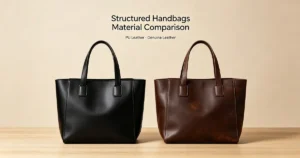
First of all, material downgrade is the most common trick. When you specify a certain grade of PU leather for your bags in the requirement sheet, a responsible factory will stick to that exact material standard. However, some factories cut costs quietly by switching to cheaper raw materials without notifying you. They may use thinner PU, lower‑quality backing fabric, or recycled raw material that feels stiff and easily peels off. On the surface, the bag looks similar in photos. But once end‑users start using them, problems show up quickly: surface scratches, fabric cracking, or bad hand‑feel.
You might think: “I will check the pre‑production sample before mass production.” Here is the catch. Some factories make the sample with good‑quality material to win your order, then switch to cheaper material for bulk goods. For small‑to‑mid‑size buyers who cannot afford full‑time on‑site inspection, this risk becomes very real. When defective items arrive, you have to handle product returns, negative customer reviews, and lost brand trust. Those repair or replacement costs are never calculated in that original low quote.
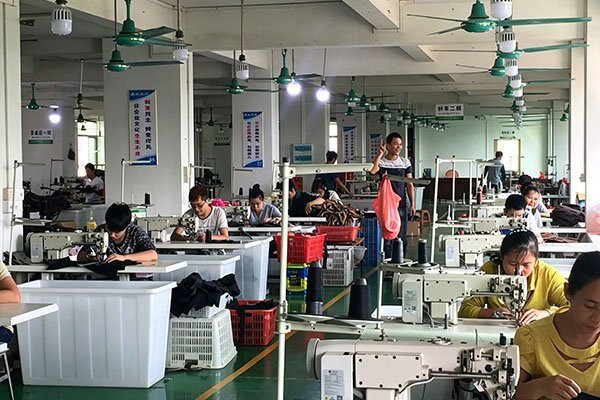
Second, skipped or simplified production procedures. Handbag making involves dozens of small steps: edge oiling, repeated polishing for metal hardware, multiple sewing passes, inner lining reinforcement, intermediate quality checks and so on. Every single step adds labor cost. To bring down unit prices, some factories cut corners on these processes.
For example, incomplete edge oiling leads to frayed bag edges after short‑term use. Poor hardware polishing causes quick fading and rust. Weak stitching means handles tear under normal weight. These defects are not obvious when you quickly glance at finished goods. They appear after customers have used the bags for weeks. For your brand, this translates into higher return rates. If you sell on marketplaces, excessive negative feedback can hurt your product listing ranking. It is easy to save a little money per unit at the factory side, but you will pay a much higher price after sales.
Third, unexpected rework and delay costs. A low‑ball quote often means the factory keeps very little profit margin for themselves. When issues happen during mass production, they are reluctant to spend extra labor and material to fix problems properly. Instead, they push to ship goods with minor defects, or they ask you to cover extra fees for reworking.
In worse cases, poor planning leads to production delays. Your goods miss the shipping window. If you have to switch from sea shipping to expensive air freight to meet your sales season deadline, the extra freight expense can wipe out all the money you saved from that cheap quotation. Many buyers only compare unit price, and forget to calculate the financial loss caused by late deliveries and missed selling seasons.
Fourth, hidden extra fees you were not warned about. Some suppliers give you an attractive base price, but leave many items out of the quote. Later they charge you separately for logo embossing, custom tags, special packaging, accessory installation or modification during sampling. If you do not clarify every item upfront, your final total bill can go up far higher than you expected.
Some new buyers also overlook compliance‑related risks. If you sell handbags in European markets, you need to meet certain material safety standards. Factories cutting corners may use low‑cost materials that fail regulatory tests. Should your goods get held at customs, you face detention charges, product rejection, and huge financial losses. That risk is another invisible cost behind an overly low price.
None of this means you need to pick the most expensive factory on the market. Reasonable price negotiation is totally normal in OEM & ODM handbag sourcing. What we suggest is comparing quotations on an equal basis. Before you compare numbers, make sure every supplier receives the same complete brief: material grade, hardware requirements, detailed craft standard, logo method, packaging requirement, target market compliance rules, and clear acceptance criteria for bulk goods.
Ask potential suppliers straight questions. What material grade will be used for mass production? What procedures will not be simplified? Who takes responsibility if bulk goods differ from confirmed samples? What fees are included, and what will be charged additionally? Clear communication helps you filter out risky low‑price offers.
A reliable handbag factory builds its profit on stable craftsmanship and reasonable service, not by cutting critical links. When you work with a supplier with proper profit space, they can afford consistent raw material quality, full production workflows, strict in‑line quality control, and timely support when problems arise. The slightly higher unit cost protects you from expensive after‑sales troubles.
Sourcing handbags is never only about unit price. Think about the full‑cycle cost: sampling, mass production, shipping, after‑sales return, brand reputation and market compliance. A seemingly cheap offer may end up being the most expensive choice you ever make.
If you are looking for a trustworthy handbag OEM & ODM partner for your brand, we are ready to walk through your project details. Feel free to send over your design, target specification and volume, and we will provide you with a transparent, item‑by‑item quotation without hidden tricks.
The content shared is hoped to be helpful to you. If you have any other questions that need to be addressed, you can email laimi handbag factory sale02@laimibags.com . We will do our best to solve your problems.