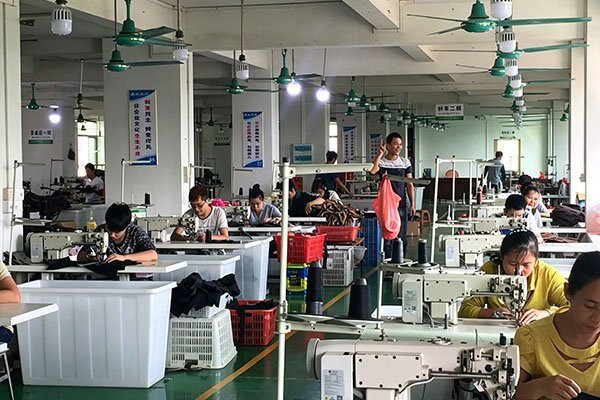

After manual oil application, it is baked in an oven. Small bubbles appear on the surface of the oil edge. These bubbles are prone to burst, causing damage to the edge and resulting in a high defect rate.
Main reasons:
- The edges of the leather were exposed to moisture before the oiling process. When the oil was applied and baked, the moisture evaporated from within the leather, forming bubbles.
- The oiling speed was too fast, causing air to be trapped inside the paint layer.
- The humidity in the workshop was high, and water vapor adhered to the edge of the oil. Under high temperatures, the moisture evaporated, forming bubbles.
- The oiling quality was poor. There was no sealing, and water vapor mixed in.
Optimization steps:
- Before performing edge coating, allow all cut leather pieces to dry naturally for 24 hours to remove internal moisture.
- Slow down the manual oiling speed to ensure the coating can smoothly cover the edges and prevent air from stagnating.
- During the edge coating process, keep the workshop humidity below 60%.
- Purchase qualified and reliable oil for coating.